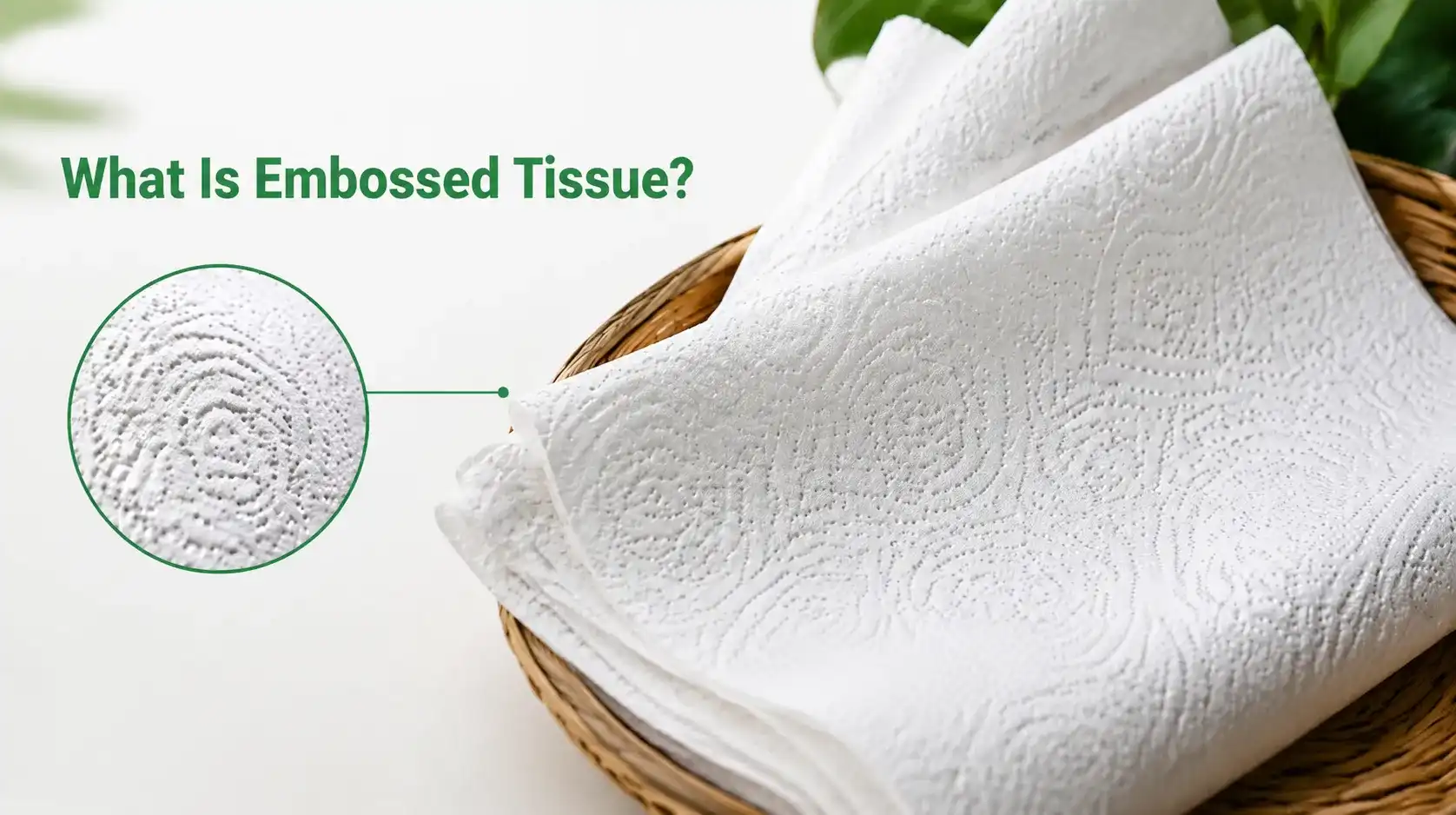
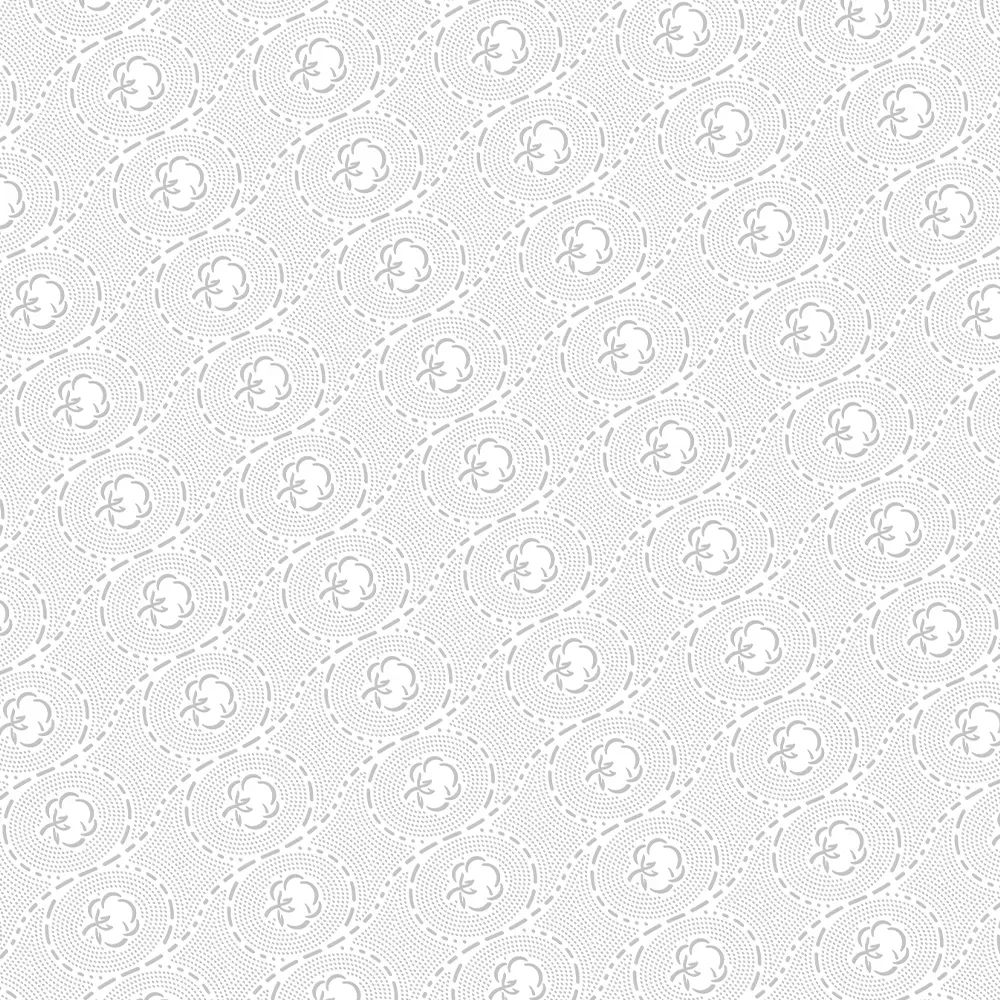
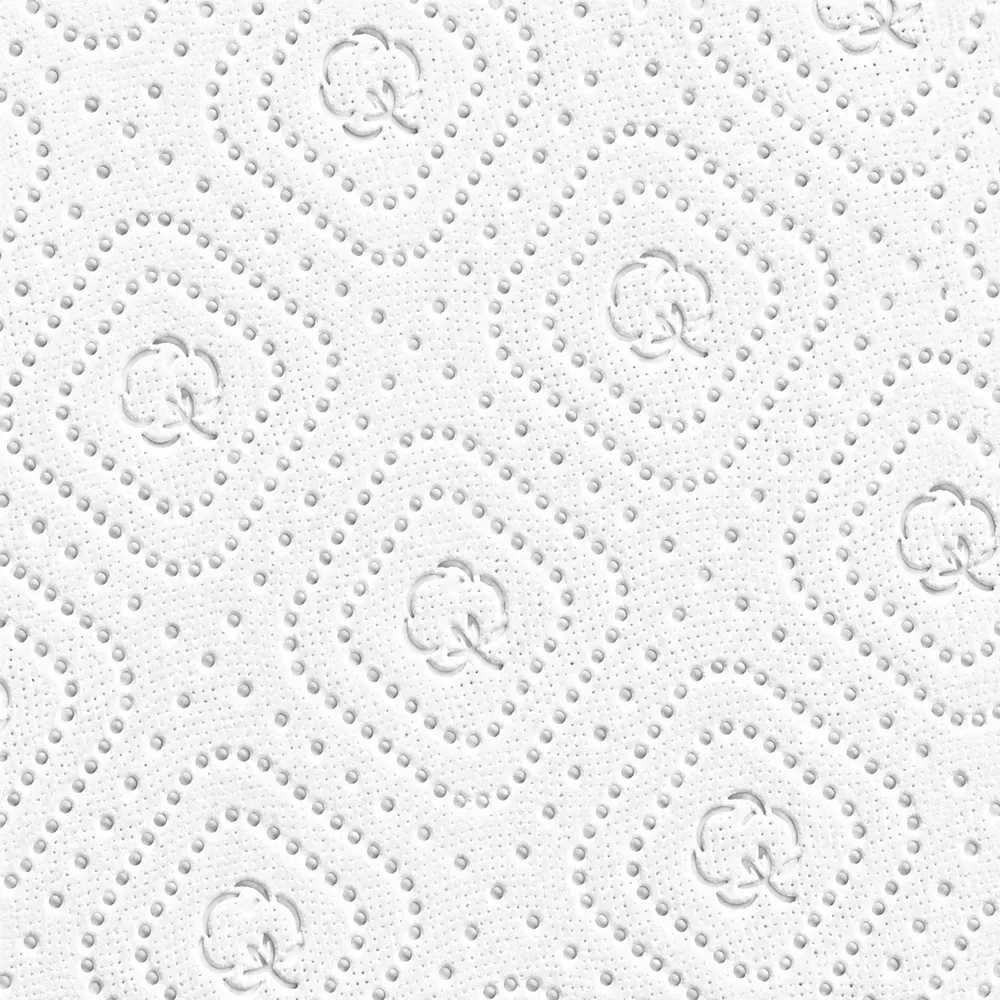
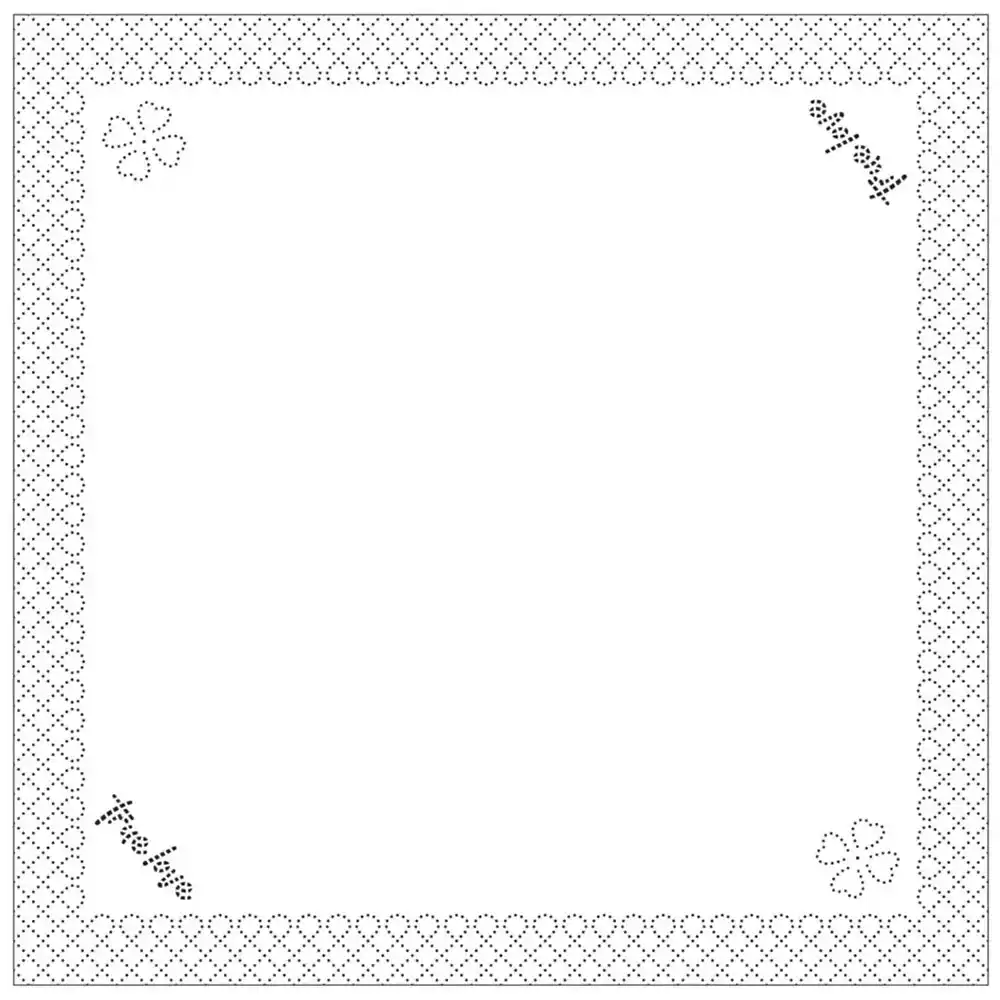
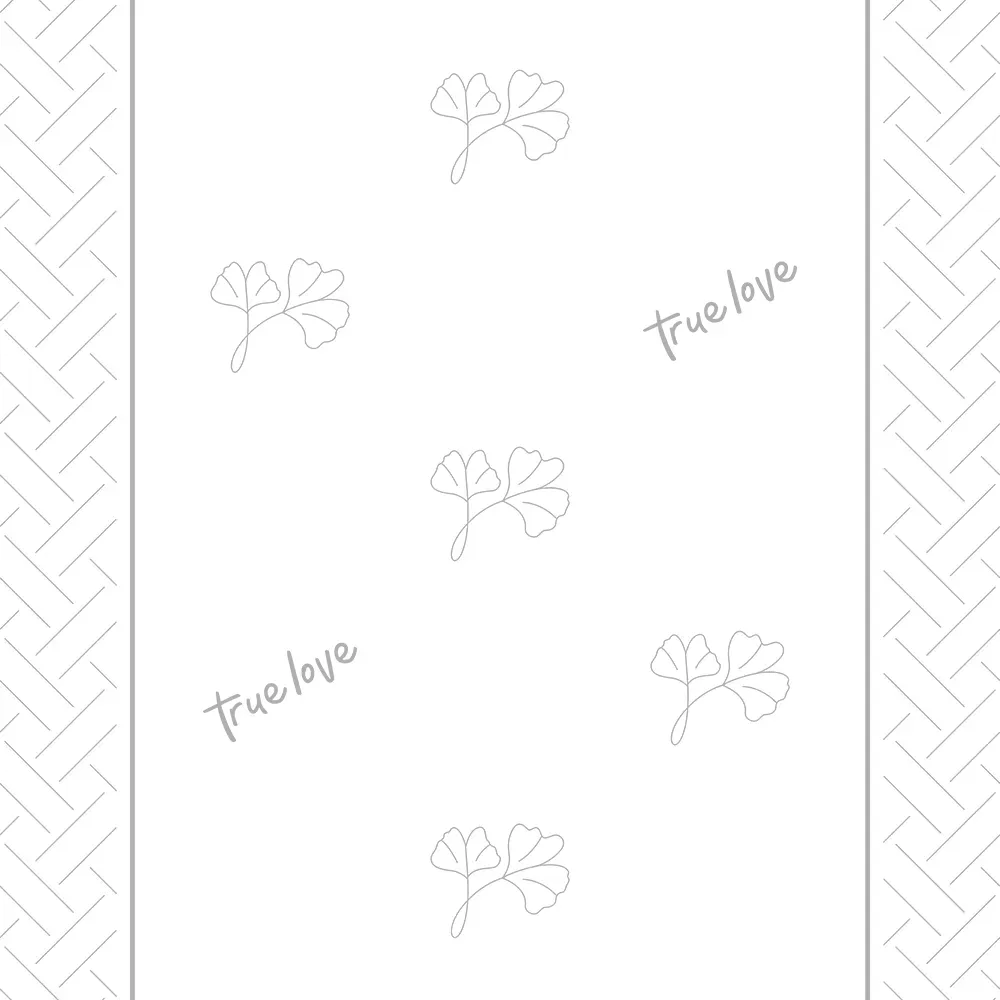
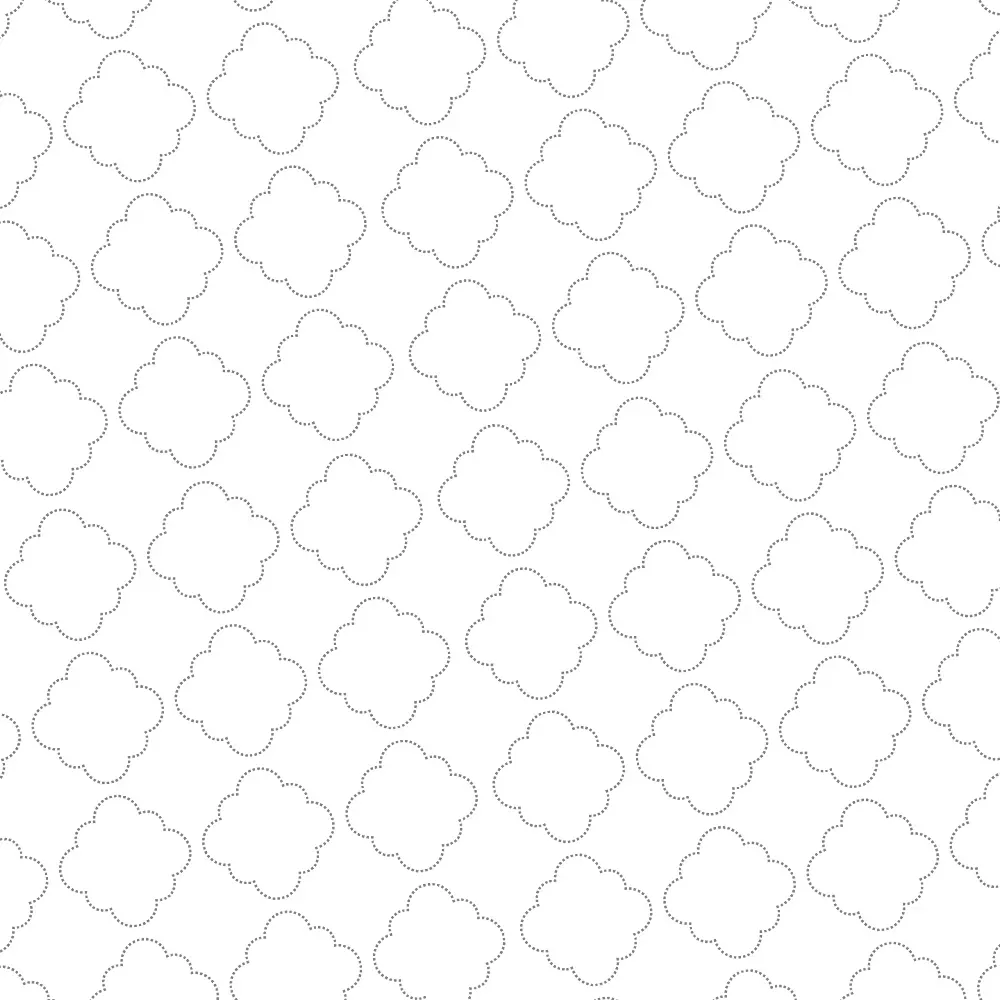
The main difference lies in the texture. Embossed paper has a raised or recessed pattern created by pressing the material with engraved rollers or a metal die. Non-embossed paper has a flat surface without a three-dimensional pattern.
In tissue products, embossing is not just decorative. It can improve softness, absorbency, and ply bonding. For example, embossed toilet paper often feels thicker because the raised embossed pattern creates small air pockets between the layers. Similarly, embossed paper towels may absorb liquid more effectively because the textured surface helps trap moisture.
Non-embossed products are simpler in structure. They may still be soft or absorbent, but they do not have the same textured surface or mechanical bonding effect created by embossing.
VS
Embossing vs. Debossing
Embossing and debossing are two opposite finishing techniques. Embossing raises a design above the surface, while debossing presses the design into the material, creating a recessed or stamped-in effect. Both methods use pressure and a die or engraved tool, but the final texture and visual effect are different.
Embossing is commonly used in tissue paper, packaging, stationery, and napkins when a raised pattern or added texture is needed. Debossing is often used for logos, business cards, leather goods, and premium packaging where a clean, subtle, and sunken impression is preferred.