
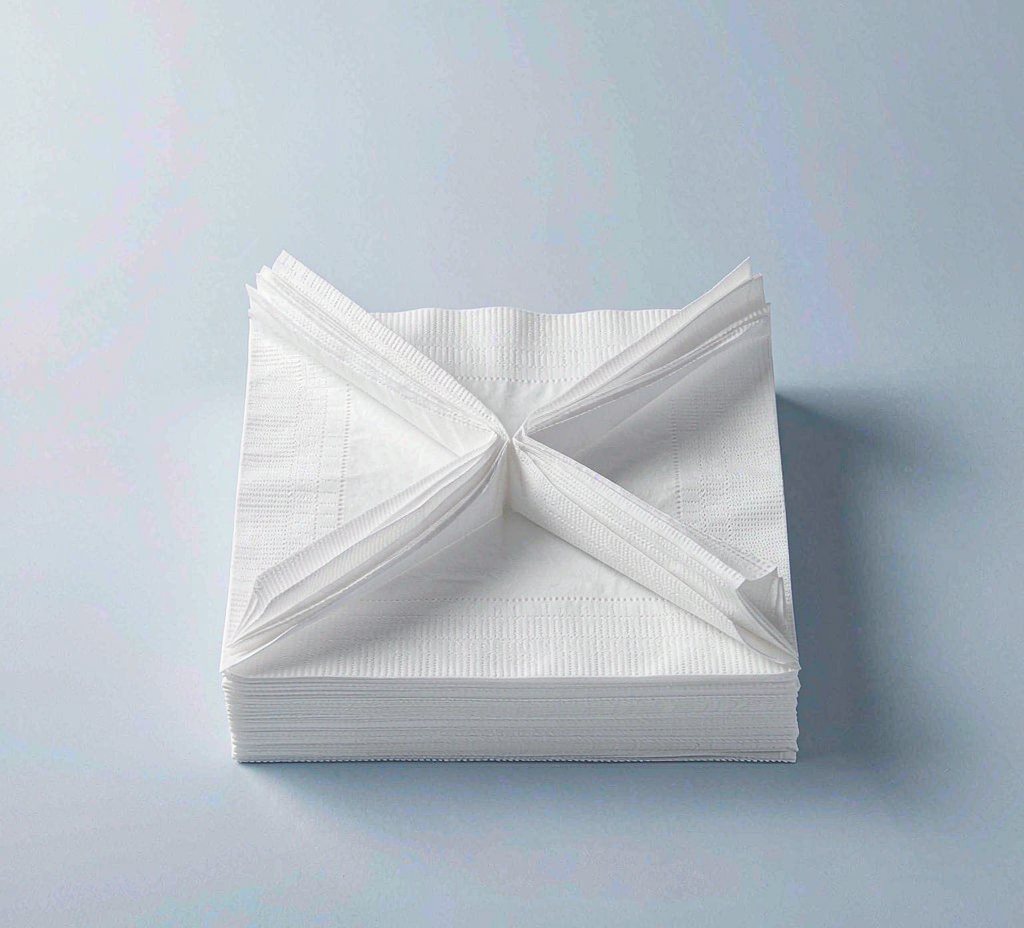
Table Tissue Napkin
Table Tissue Napkins are primarily used for wiping your face and hands during meals and for keeping the table clean.
Send Inquiry NowAs a paper napkin manufacturer, we offer a wide range of customizable options with your logo to fit any need.
Get a Quick Quote
A tissue napkin (also known as a paper napkin or serviette) is a disposable paper square designed for wiping your mouth, cleaning your fingers, and protecting your clothing during a meal.
Tissues are generally softer to avoid irritating the sensitive skin around the nose, while tissue napkins are more durable and less likely to tear when wiping sticky substances.
Tissues refer to paper napkins used for sneezing, cleaning the nose, and wiping spilled coffee. When dining, people tend to use napkins made of linen or cotton, called napkins, while paper napkins are called paper napkins.
Table Tissue Napkins are primarily used for wiping your face and hands during meals and for keeping the table clean.
Send Inquiry Now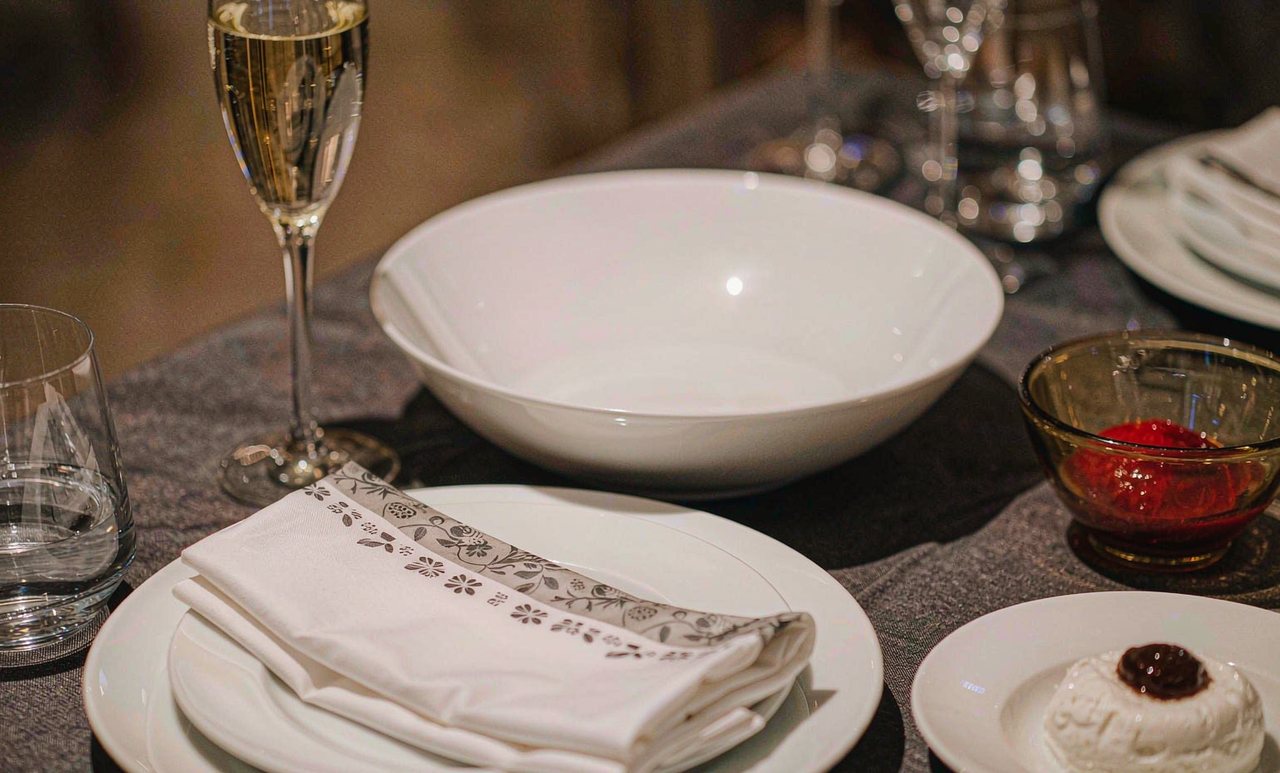
Tissue Serviette: thicker, larger, more decorative, or upscale napkins.
Send Inquiry Now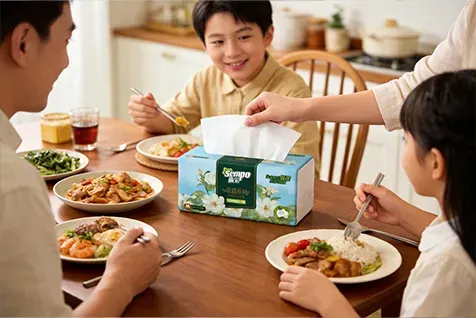
Printed napkins feature designs based on specific holidays (such as Christmas, Easter, New Year's) or events.
Send Inquiry Now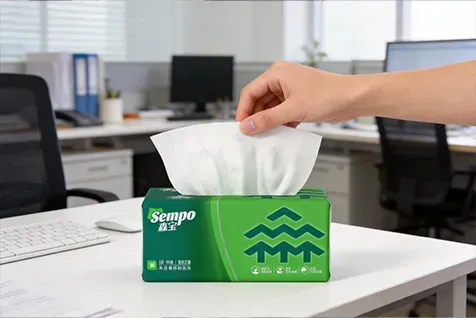
Folding tissues is the simplest way to enhance the look and feel of your dining table.
Send Inquiry Now
Medium-sized, often 2-ply, ideal for everyday meals.
Send Inquiry Now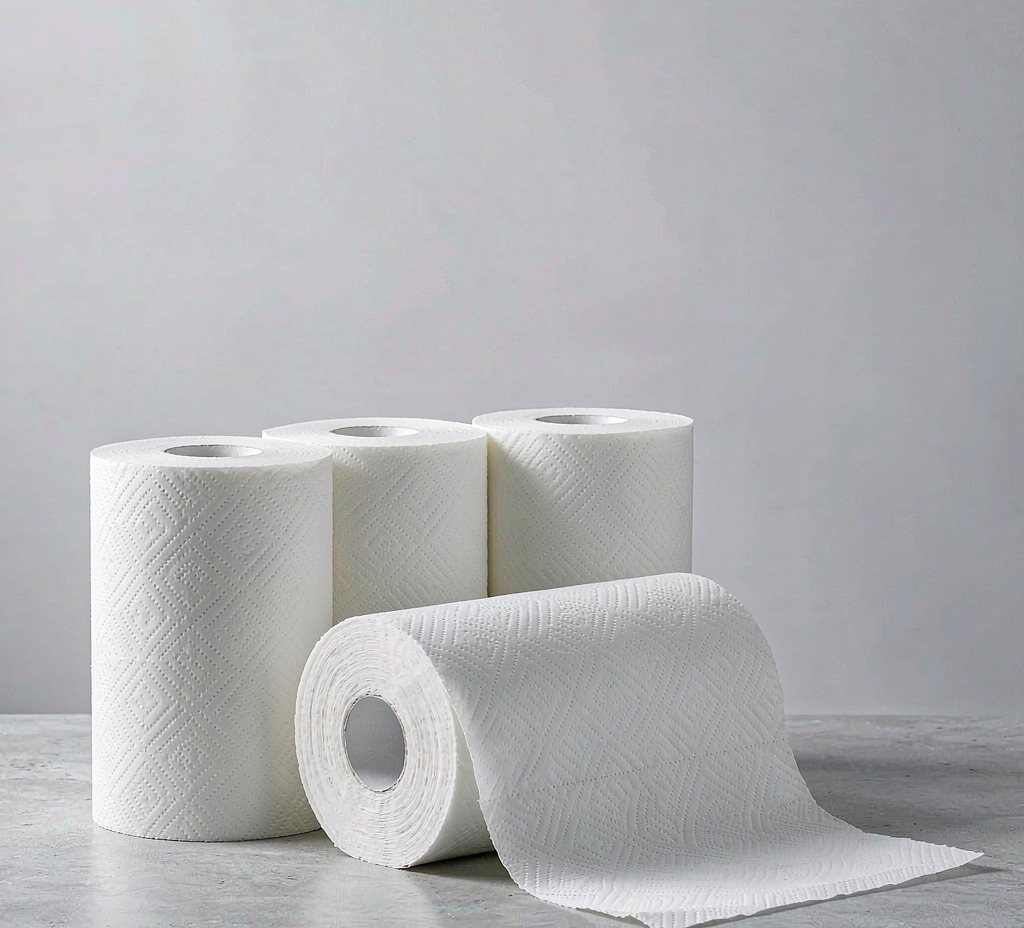
Kitchen paper towels are characterized by their larger size, thicker paper, and extremely high wet strength.
Send Inquiry Now
Small, single-ply, used under drinks or with light appetizers.
Send Inquiry Now
Larger and thicker (often 3-ply), designed to handle substantial dinners or messy foods.
Send Inquiry NowNapkins are typically made with a 2-ply or 3-ply structure. The multi-layer bonding process creates air pockets between the layers, improving absorbency and bulk while providing a thicker, more premium hand feel.
Wet strength refers to the napkin’s resistance to tearing after absorbing water or becoming damp. A napkin should not easily break down into paper fragments when used to wipe the lips or hands.
Softness determines how gentle the napkin feels against the skin. Tissue napkins feature a smooth surface and finely finished edges, helping reduce friction and prevent skin redness during use.
Premium fiber structures are compact and well-formed, allowing the napkin to quickly absorb liquids such as soup, sauces, or water. They also help prevent liquid from soaking through or causing the napkin to become mushy.
The fundamental differences among regular tissue, napkins, and facial tissue lie in their requirements for strength and absorbency. Facial tissue emphasizes "wet strength" (it does not break easily when wet) and is used to wipe sweat or nasal mucus; napkins emphasize oil and water absorption and are generally used dry; regular tissue (such as toilet paper) emphasizes "easy disintegration in water" to prevent toilet clogging.
Facial Tissue: used for wiping the face, wiping sweat, removing makeup, or blowing the nose during a cold. It does not break easily when wet and has very high strength, with wet-strength agents usually added.
Napkins: designed for dining use, such as wiping hands and mouths and cleaning light oil stains; commonly found in restaurants or on household dining tables. They are relatively strong and do not shed paper fibers easily, with medium to high strength that emphasizes thickness and water/oil absorbency.
Regular Tissue (Toilet Paper): used specifically for cleaning after using the toilet. It dissolves easily in water and has relatively low strength; no wet-strength agents are added to prevent septic tank or toilet blockage.
The core specifications of tissue napkins mainly include dimensions, material, ply count, and basis weight. The common technical parameters and specification standards are summarized in the table below.
Unfolded size: common square sizes include 23 x 23 cm, 25 x 25 cm, and 33 x 33 cm. Large napkins can measure up to 40 x 40 cm or 45 x 45 cm.
Folded size: depending on the folding method, such as V-fold, 1/4 fold, or 1/8 fold, common folded sizes include 11 x 21 cm and 11 x 20 cm.
Material and grammage: high-quality products are mostly made from 100% virgin wood pulp or virgin bamboo pulp. Basis weight usually ranges from 13 g/m2 to 15 g/m2.
Appearance and packaging: the surface often features embossed textures such as dot, mesh, or lace patterns. Commercial dispenser napkins commonly come in 150-200 sheets per pack, while household small packs usually contain 100 sheets per pack.
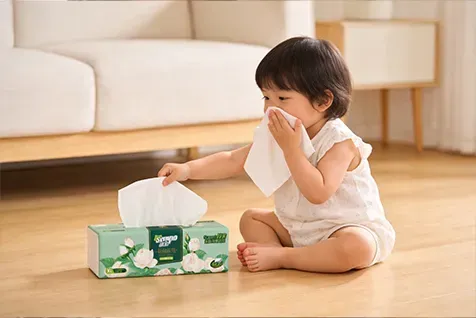
Material Options: Choose from virgin wood pulp, mixed pulp, or recycled eco-friendly paper, available in natural colors such as bamboo pulp or standard white.
Ply Options: Available in 1-ply, 2-ply, and 3-ply to meet different needs for economy, softness, and absorbency.
Custom Printing: Supports company logos, brand slogans, and custom patterns, with single-color, two-color, multi-color, or full-color printing options.
Embossing: Edge embossing is available to enhance appearance and help prevent multi-ply tissues from separating.
MOQ: Depending on the process, the MOQ usually starts from 10 cartons, about 5,000-10,000 pieces. Some custom orders may require 100,000 pieces or more.
Material preparation and pulping: the process begins with pulping, because the fiber source decides the final softness, whiteness, and absorbency of the product. High-quality virgin wood pulp, bamboo pulp, or grass pulp is cooked at high temperature to remove lignin, pectin, and pigments, then washed, bleached, and mechanically refined.
Papermaking: refined pulp is sprayed evenly onto a fast-moving wire mesh where water drains away, then pressed and dried on heated cylinders. At the end of drying, a creping blade gives the sheet its softness, bulk, and absorbency.
Embossing and folding: the parent roll is mounted on the unwind stand, the paper passes between engraved steel and rubber rollers to create patterns, and an automatic system folds the napkins into 1/4, 1/6, or 1/8 fold formats.
Cutting and packaging: folded strips are cut to the required size, sealed in plastic bags or paper boxes by automatic packaging machines, then boxed and inspected for moisture, whiteness, softness, and size consistency before leaving the factory.

| Category | Parameter | Specification Details |
|---|---|---|
| 1. Common Dimensions | Unfolded Size | Common square sizes include 23 x 23 cm, 25 x 25 cm, and 33 x 33 cm. Large napkins can measure up to 40 x 40 cm or 45 x 45 cm. |
| Folded Size | Depending on the folding method, such as V-fold, 1/4 fold, or 1/8 fold, common folded sizes include 11 x 21 cm and 11 x 20 cm. | |
| Thickness & Ply Count | Usually available in 2-ply, 3-ply, 4-ply, 5-ply,and 6-ply options. Multi-ply napkins are bonded through edge embossing to maintain softness and prevent layer separation. | |
| 2. Core Material & Basis Weight | Material | High-quality products are mostly made from 100% virgin wood pulp or virgin bamboo pulp. Some eco-friendly products indicate the use of recycled pulp and usually carry certifications such as FSC and Ecolabel. |
| Basis Weight / Grammage | The basis weight refers to the weight of paper per square meter and usually ranges from 13 g/m2 to 15 g/m2. Thinner 1-ply napkins often use additional textured embossing to create a thicker feel. | |
| 3. Appearance & Packaging | Surface Finish | The surface often features embossed textures, such as dot, mesh, or lace patterns. These are used not only for decoration but also to help retain moisture effectively. |
| Packaging Specifications | Packaging varies between retail and commercial use. Commercial restaurant dispenser napkins commonly come in 150-200 sheets per pack. Household small packs usually contain 100 sheets per pack, while common carton packaging includes 50 packs per carton or 20 packs per carton. |
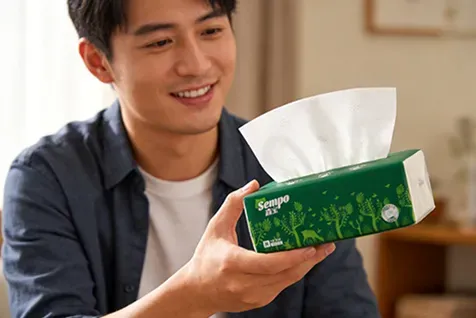
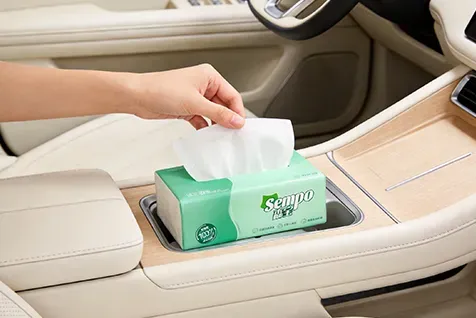
Tissue napkins are used for wiping hands, cleaning the mouth, absorbing small spills, and general hygiene during meals or events.
A tissue is usually a soft paper product used for facial hygiene, such as wiping the nose or face. A napkin is mainly used at the table to wipe hands and mouth while eating.
A tissue napkin is a disposable paper napkin made from tissue paper. It is commonly used in restaurants, cafes, parties, takeout packaging, and daily dining.
Not always. In some places, people may use the terms loosely, but "tissue" usually means facial tissue, while "napkin" usually refers to a paper or cloth item used during meals.
Americans usually say "tissue" for facial tissue and "napkin" for something used while eating. "Paper napkin" is commonly used for disposable dining napkins.
Yes. Most tissue napkins are disposable and designed for single use.
Clean tissue napkins may be recyclable in some areas, but used napkins with food, grease, or liquids are usually not recyclable and should be composted or thrown away, depending on local rules.
No. Paper towels are usually stronger and more absorbent for cleaning spills, while tissue napkins are softer and mainly used for dining hygiene.
Yes. Tissue napkins are widely used in food service for restaurants, cafes, catering, hotels, and takeout orders.
They are usually made from virgin wood pulp, recycled paper, bamboo pulp, or mixed paper pulp.
Fule Paper is a professional tissue paper manufacturer and supplier offering OEM, wholesale, and private label solutions for global B2B buyers.
We support custom material selection, ply options, sheet sizes, packaging design, and logo printing to help you create products that fit your brand and market demand.
With stable production, strict quality control, and export-ready packaging, we deliver reliable tissue paper solutions for wholesalers, distributors, hotels, and retailers.
Share your needs with us. We will contact you in a very short time.